
Optimal Timing for Tree Removals
Tree removal timing depends on several factors including tree species, local climate, and specific site conditions. Proper timing ensures safety, minimizes impact on surrounding vegetation, and promotes efficient removal processes.
Winter is often ideal for tree removals because trees are dormant, reducing stress and damage to nearby plants. Frozen ground also makes equipment operation easier.
Spring can be suitable when trees are still dormant before new growth begins. It allows for quick recovery and less disruption to the landscape.
Summer removals are generally avoided due to active growth and higher risks of stress or disease transmission. However, they may be necessary in emergency situations.
Fall is a transitional period where some trees enter dormancy. Removal during this time can be effective, especially before winter sets in.
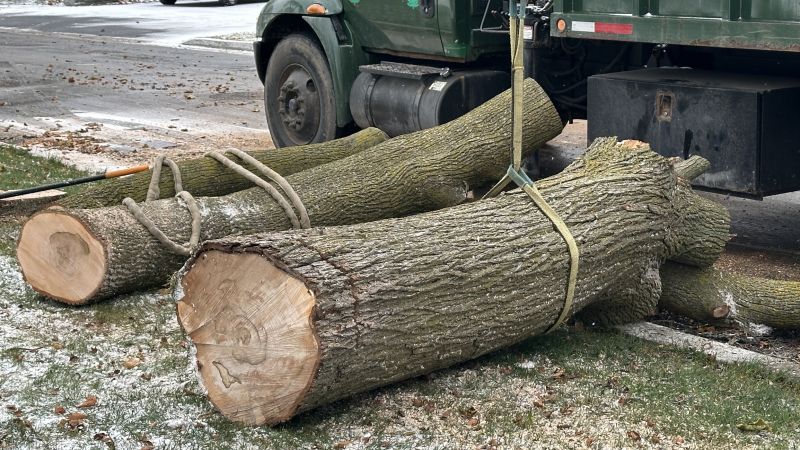
Tree being removed during winter with snow on the ground.
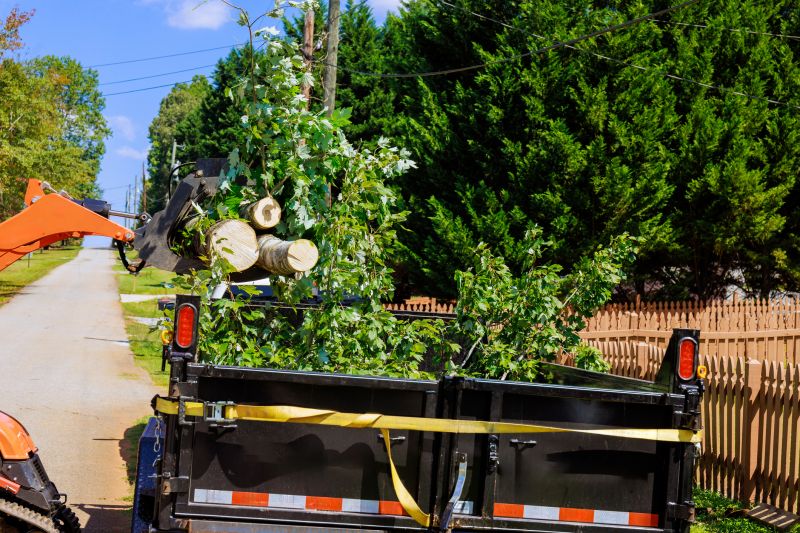
Tree removal in early spring before leafing out.
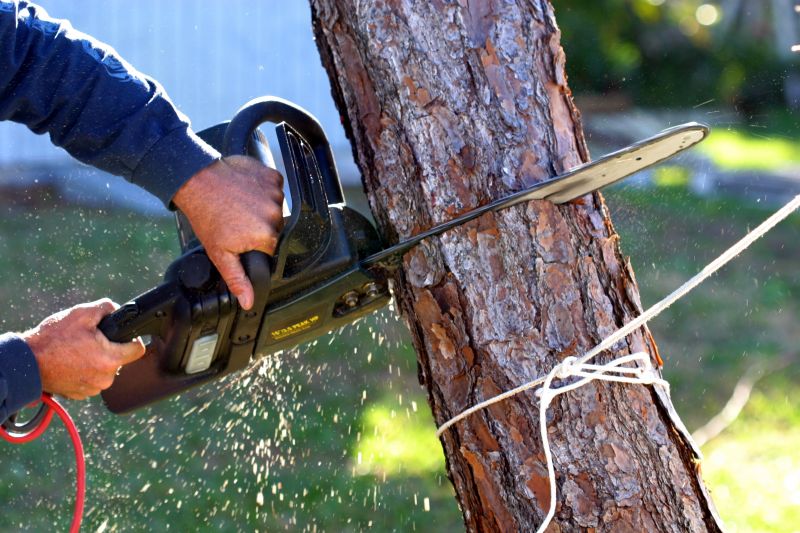
Tree removal on a hot summer day.
Ways to make Tree Removals work in tight or awkward layouts.
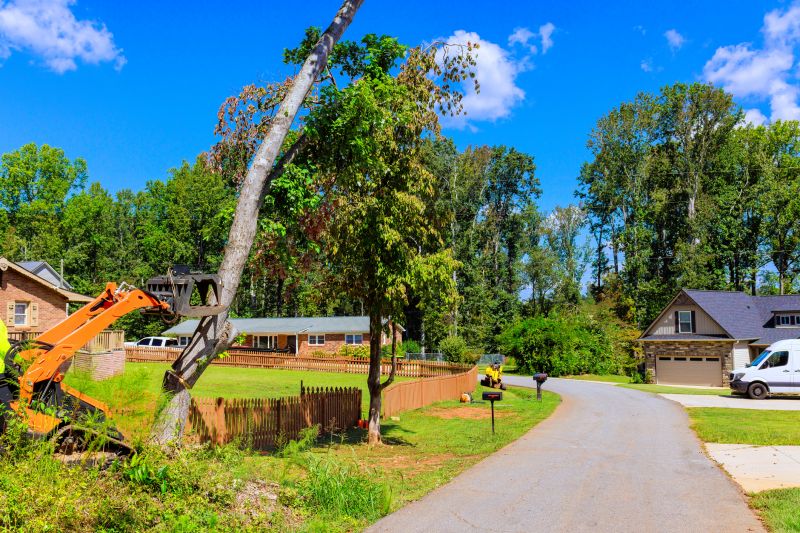
Popular materials for Tree Removals and why they hold up over time.
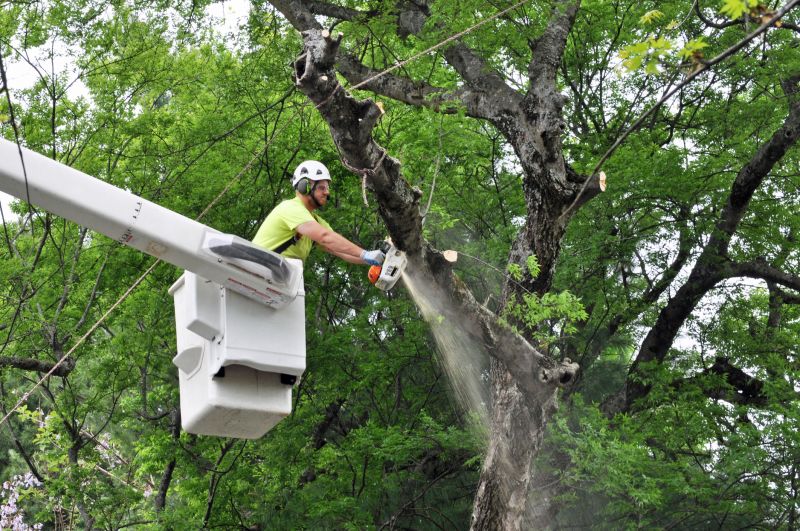
Simple add-ons that improve Tree Removals without blowing the budget.
| Season | Advantages |
|---|---|
| Winter | Less foliage, frozen ground, easier equipment movement. |
| Spring | Trees are dormant, quick recovery, minimal impact. |
| Summer | Necessary in emergencies, less leaf interference. |
| Fall | Pre-winter removal, trees preparing for dormancy. |
| Weather | Avoid during storms or high winds for safety. |
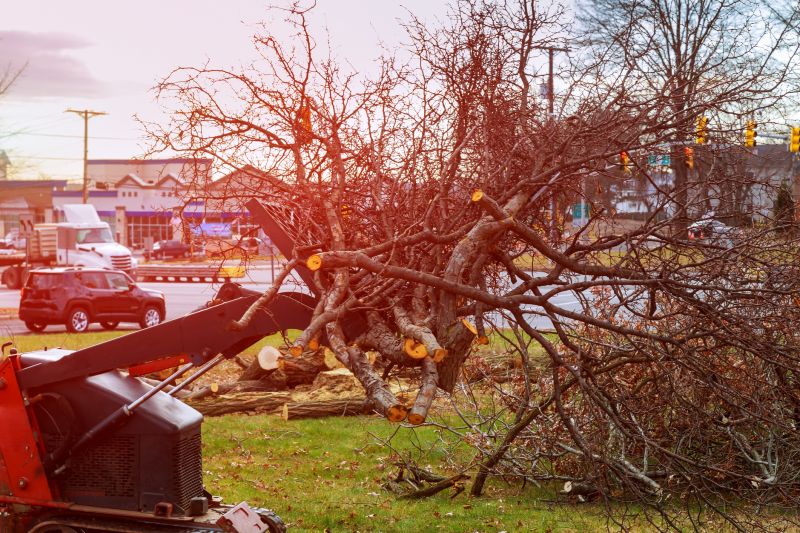
Specialized machinery used during winter removals.

Professional tree cutting in early spring.
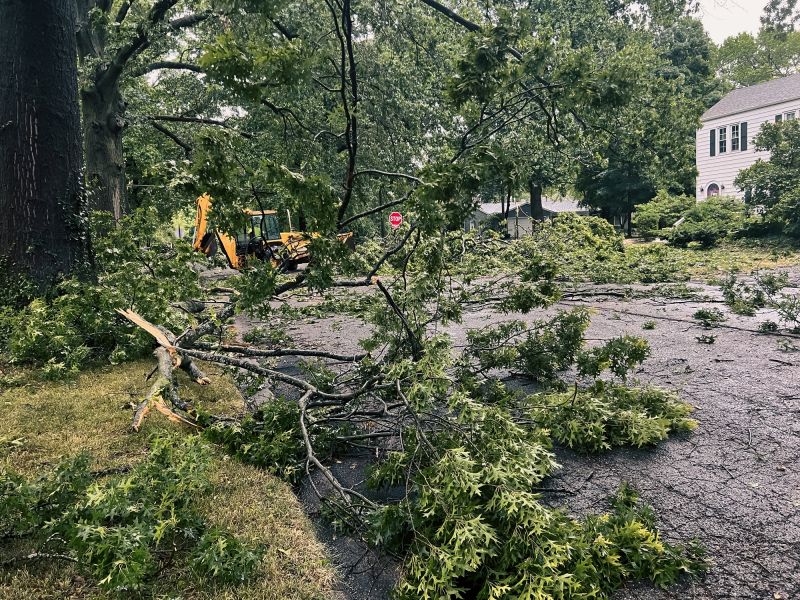
Removing a fallen tree after a storm.
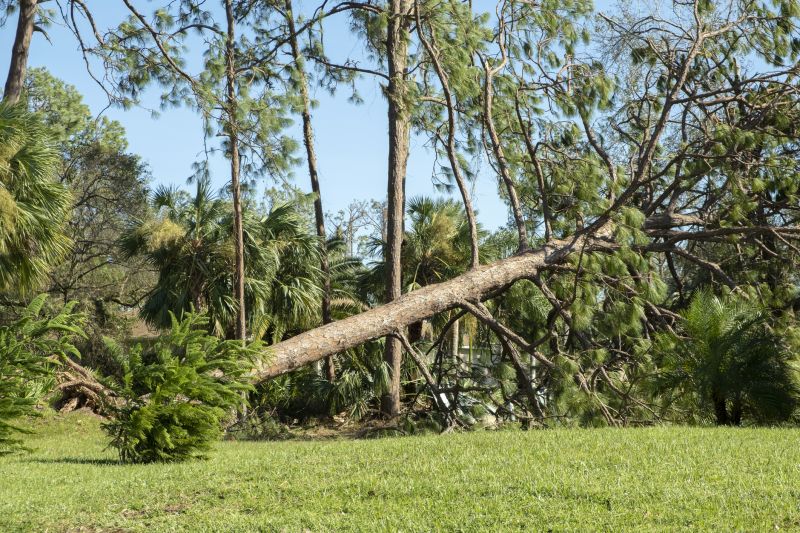
Cleaned-up landscape post tree removal.
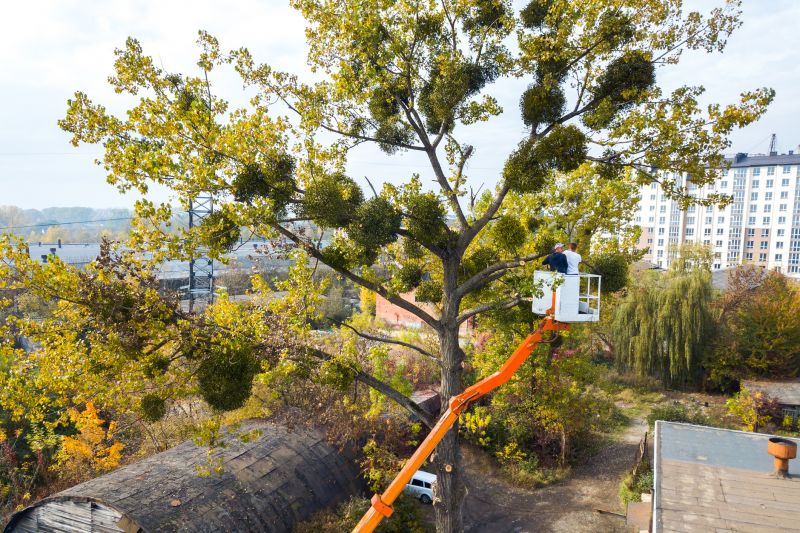
High-end options that actually feel worth it for Tree Removals.
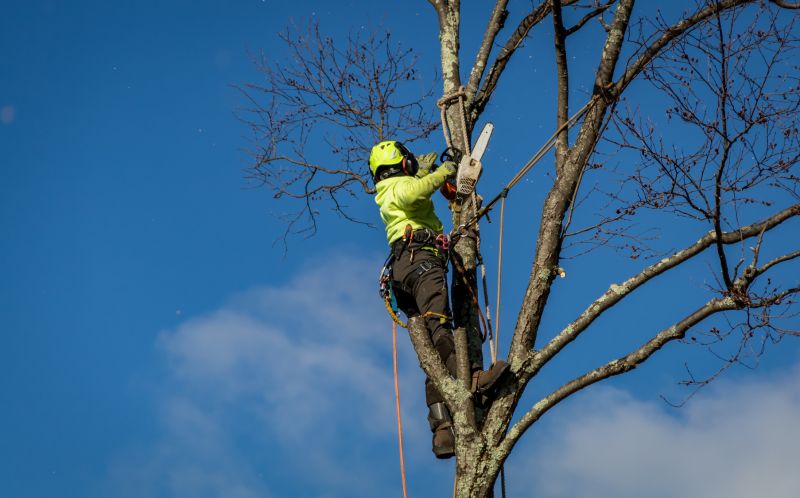
Finishes and colors that play nicely with Tree Removals.
Interested in scheduling a tree removal? Filling out the contact form can provide more information about the best timing for specific trees and landscape needs.